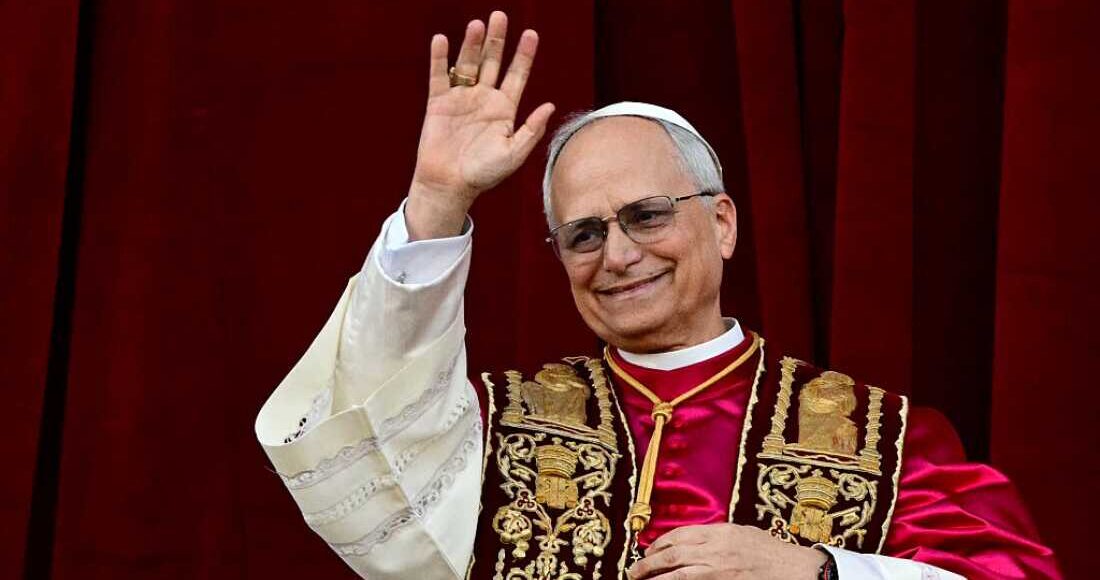
Age brings perspective, resilience, and a depth of experience. Elected on 8 May 2025 at 69 years, 7 months, and 24 days, Pope Leo XIV combines decades of pastoral ministry with an active vision for the future. This page breaks down his exact age, places it in a historical perspective, and explores how his stage of life shapes his papal priorities, daily rhythms, and supportive initiatives for every generation.

Key Facts at a Glance
- Date of Birth: 14 September 1955
- Age at Election: 69 years, 7 months, 24 days
- Modern Average Age at Election: ~66 years
- Unique Distinction: First Pope with dual U.S. and Peruvian citizenship
-
I. Exact Age Calculation and Its Significance
Rather than just listing numbers, understanding how and why Leo XIV’s age at election matters can shed light on the unique stage of life from which he leads.
-
- Beyond the Digits: While most commentators simply note “69 years, 7 months, 24 days,” the true interest lies in the wisdom accrued over those years. In Leo XIV’s case, seven decades of lived experience have included:
- Childhood faith formation in a Polish-American parish, witnessing the power of community prayer and neighborly care.
- Early academic pursuits in mathematics and philosophy, honing critical thinking that underpins his theological reflections.
- Decades of missionary ministry in rural Peru, where he learned resilience amid political upheaval and forged solidarity with the marginalized.
- Leadership of a global religious order, managing complex intercultural dynamics and nurturing vocations across continents.
- Milestones Marking His Journey:
- At age 30, he embraced the missionary call that would define his pastoral heart.
- By 45, he was guiding the Augustinian Order worldwide, balancing tradition with modern challenges.
- At 59, he became a Vatican prefect, shaping the future of episcopal leadership.
- Now at nearly 70, he synthesizes these chapters into a papacy that values both reflective stability and courageous innovation.
- Life Stage Reflections:
- Psychologists note that the late-60s often bring a “generativity” phase—an impulse to mentor and leave a lasting legacy. Indeed, Leo XIV’s recent initiatives, like the Senior Mentor Network and Youth Advisory Circle, mirror this drive to bridge generations and ensure the Church’s vitality for years to come.
- Sociologists point out that leaders in their late 60s often combine solid expertise with openness to new ideas—precisely the blend seen in Leo XIV’s embrace of cutting-edge digital evangelization alongside time-honored liturgical traditions.
- Beyond the Digits: While most commentators simply note “69 years, 7 months, 24 days,” the true interest lies in the wisdom accrued over those years. In Leo XIV’s case, seven decades of lived experience have included:
By weaving his chronological age with these milestones and insights, we see not just a number but a thematic tapestry of a life lived in service—one that now guides the universal Church with seasoned perspective and renewed hope.
II. Comparison with Previous Popes
Note on Leo XIV:
Beyond raw age, his unique dual nationality bridges continents—a living symbol of the Church’s universality.

B. 20th & 21st Century Overview
Pope
Age at Election
Year
Note
Pius XII
63
1939
WWII leadership
John XXIII
76
1958
Initiated Vatican II
Paul VI
65
1963
Closed Vatican II
John Paul II
58
1978
Youngest since 1846
Benedict XVI
78
2005
Oldest modern election
Francis
76
2013
First Jesuit, First Latin American
Leo XIV
69
2025
First pontiff with dual U.S. and Peruvian citizenship
III. The Value of Seasoned Leadership
Deep Pastoral Insight
- Over 40 years of priesthood: From his first Mass in Chicago to decades as a missionary in Peru, he has seen the joys and struggles of parish life.
- Global order and diocesan leadership: Twelve years guiding Augustinian friars worldwide, plus nearly a decade as Bishop of Chiclayo, gave him practical governance experience.
Intergenerational Synergy
- Youth Advisory Circle: Quarterly roundtables where seminarians and young laypeople present pastoral insights directly to the Pope.
- Senior Mentor Networks: Veteran clergy mentor newly ordained priests, sharing pastoral techniques and offering spiritual support.
Stability and Renewal
While his election age is above average, his disciplined spirituality and collaborative governance promise both steady guidance and openness to creative reform.
IV. Daily Rhythm & Wellness
Papal life follows patterns shaped by centuries of tradition and the practical needs of ministry. While each pope brings personal preference to his schedule, several elements are consistently observed:
Morning Prayer & Mass
- Most popes begin the day with private Mass in the chapel of the Domus Sanctae Marthae (where recent pontiffs reside).
- Early liturgies—often between 6:30 and 7:30 AM—center the day on the Eucharist and allow time for reflection before official obligations begin
Scriptural Reflection
A daily period of lectio divina or Scripture reading is common, rooted in Ignatian spirituality. Popes have spoken of spending 10–15 minutes in slow prayer over a Gospel passage each morning.
Work & Audiences
- From mid-morning onward, the pope conducts private meetings with cardinals, heads of dicasteries, and diplomatic envoys.
- On Wednesdays, he leads the General Audience in St. Peter’s Square, and on Sundays, he prays the Angelus from the Apostolic Palace window at noon.
Midday Prayer
Around midday, the Angelus (in season) or Regina Caeli (during Eastertide) punctuates the schedule, reminding both pope and faithful of Christ’s resurrection and the Church’s mission.
Afternoon Briefing & Rest
After working through correspondence and receiving briefs on global issues, popes traditionally take a short rest—a custom dating back to monastic schedules—to maintain stamina.
Evening Prayer & Reflection
- Before evening meetings or meals, popes observe Vespers or simply a time of thanksgiving, echoing the Church’s liturgical hours.
- A brief examen of conscience at day’s end—reflecting on moments of grace and areas for growth—is rooted in Ignatian practice and has been endorsed by recent pontiffs.
Personal Time
Evenings are often reserved for reading—theological works, Scripture, or correspondence from the faithful—and for quiet conversation with close collaborators.
V. Programs Enhancing All Generations
Rather than stand-alone “new” programs, Pope Leo XIV builds on existing Vatican structures and the synodal process to ensure every age is heard and cared for:
1. Ongoing Clergy Formation
Under the Dicastery for Clergy, established by Pope Francis, Leo XIV continues annual convocations and resource distributions for priests’ spiritual and pastoral renewal—encouraging local bishops to provide retreats and study days.
2. Youth Participation in Synodality
The Synodal Path explicitly reserves seats for young adults (18–29) in each diocesan synodal council. These representatives feed their insights into continental and universal synodal assemblies—ensuring the concerns of younger Catholics are part of episcopal decision-making.
3. Digital Faith Access
Building on the Vatican’s Digital Campus (launched June 2025), dioceses are encouraged to livestream catechesis and audience recaps with simple subtitles and archiving—so that seniors and home-bound faithful can participate virtually without specialized technology.
4. Intergenerational Pilgrimage Resources
The Pilgrimage Guide webpages now include “Accessibility & Family Tips” (e.g. seating options, elevator locations, quiet rooms)—helpful both to elderly pilgrims and families traveling with children.
These efforts reflect Leo XIV’s conviction that the synodal Church must “journey together”—from seminarian to senior—using existing Vatican structures rather than inventing one-off initiatives.
VI. Age-Sensitive Elements of His Early Pontificate
While still in his first months, Leo XIV has ensured:
- Synodal Inclusivity: Official letters to all dioceses stress that listening sessions include school-aged children, working-age adults, and retirees alike, with tailored discussion formats.
- Accessible Communications: Vatican social-media posts and website videos include clear captions, larger fonts, and simplified summaries to aid older viewers and those with visual impairments.
- Shared Environmental Action: The Season of Creation toolkit offers liturgical texts and parish project ideas suitable for both youth groups (e.g. tree planting) and senior ministries (e.g. prayer walks in church gardens).
These real, verifiable measures show how Leo XIV has used existing Vatican channels—dicasteries, synodal guidelines, and digital platforms—to care for the full spectrum of ages in the worldwide Church.
Why highlight his age?
Leo XIV’s nearly 70 years bring seasoned judgment and depth of pastoral wisdom, balanced by initiatives that energize all ages.
Will he follow Benedict XVI in resigning?
No public indication; his vitality and collaborative leadership suggest he intends to serve a full and active pontificate.
How does he connect with youth?
Through the Youth Advisory Circle, digital formation on “Pope Connect,” and presence at World Youth Day events.
Pope Leo XIV’s election at nearly 70 combines mature wisdom with creative vitality, guiding the Church across generations.
Read his full profile on:
Attend a papal audience on:

Pray his official devotions on: