
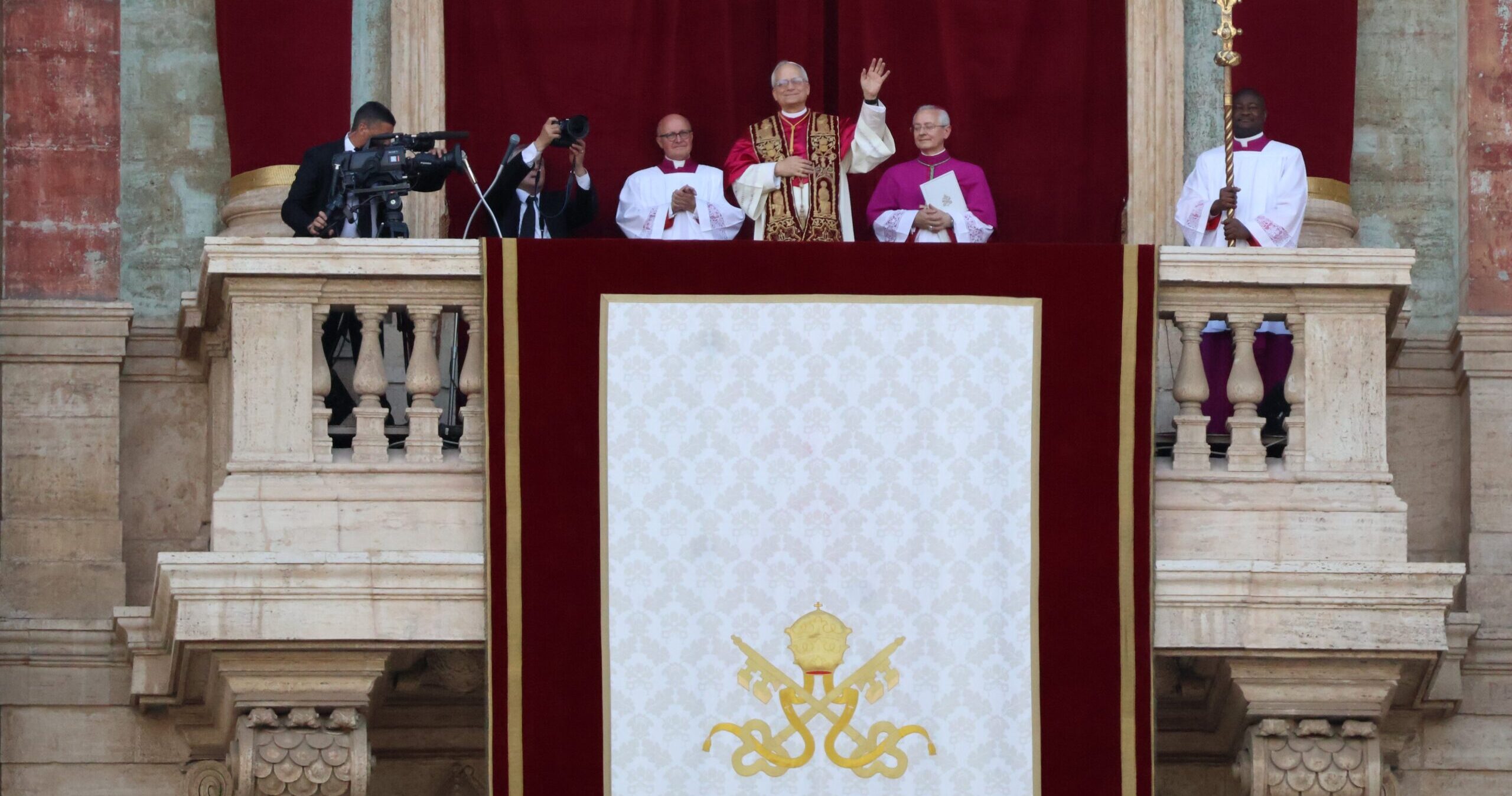
Since 8 May 2025, when Pope Leo XIV was elected, the Church has renewed its prayerful unity around several time-honored devotions. While the core texts of these prayers remain unchanged, Leo XIV’s emphasis on participation, accompaniment, and global solidarity has led to new pastoral suggestions for their use in daily life, parish ministry, and digital outreach. Below, you’ll find an in-depth look at three principal public devotions associated with his pontificate—each presented with background, full text, guidance for both private and communal prayer, and practical ways to weave them into your spiritual rhythm.

II. Angelus
A. Historical Background & Purpose
From the earliest centuries, the faithful have interceded for the Successor of Peter. The standardized collect “Let us pray for N., our Pope” dates at least to the medieval Roman liturgy, and was codified in the 1962 Missal. Under Leo XIV, this prayer remains a symbol of ecclesial communion, reminding all Catholics to entrust the Bishop of Rome to God’s care.
B. Full Text of the Prayer
Let us pray for Leo XIV, our Pope.
O God, the Pastor and Ruler of your faithful people,
grant to your servant Leo XIV, whom you have been pleased to set over us,
that, by your gift, he may be preserved in health of mind and body
and, under your protection, may lead your Church into paths of salvation.
Through our Lord Jesus Christ, your Son, who lives and reigns with you
in the unity of the Holy Spirit, God, forever and ever.
Amen.
C. How to Pray It
- Liturgical Use
-
- Mass Intercessions: Include this collect during the Roman Canon or the Prayer over the Offerings on the Sunday after a papal election and annually on his feast day.
- Liturgy of the Hours: After the concluding prayer of Lauds or Vespers on the day of his election anniversary.
-
- Private Devotion
-
- Daily Rosary: Insert it as a closing collect after the “Hail Holy Queen.”
- Weekly Prayer Group: Begin or end your gathering by praying this for the pope and using it as a springboard to discuss his current initiatives.
-
D. Pastoral Suggestions
- Parish Bulletins: Provide a brief reflection on the pope’s recent message, followed by the collect, helping parishioners link prayer with concrete pastoral priorities.
- Digital Outreach: Record a short video or audio of your pastor or youth minister leading the prayer and share it on your parish’s social channels, tagging diocesan and Vatican accounts to connect globally.
II. Angelus
A. Origins & Significance
The Angelus devotion dates to at least the 11th century, recalling the Annunciation and Incarnation. It gained papal favor in the 14th century when Pope Urban VI encouraged its practice. Leo XIV continues this midday tradition, using it to unite believers around the world in prayer precisely at 12:00 PM local time.
C. How to Pray It
- Public Recitation
The pope prays it from the Apostolic Palace window each Sunday; diocesan bishops often lead it in cathedrals; parishes can ring bells at noon. - Private or Family Prayer
Set an alarm for 12:00 PM to pause and pray; create a simple ritual at home or workplace to foster mindfulness of the Incarnation. - Adaptation for Digital Platforms
Livestream the Angelus from your local church.
Share the text as a social-media graphic, encouraging followers to join at midday.
B. Text of the Angelus
℣. The Angel of the Lord declared unto Mary.
℟. And she conceived of the Holy Spirit.
Hail Mary…
℣. Behold the handmaid of the Lord.
℟. Be it done unto me according to your word.
Hail Mary…
℣. And the Word was made flesh.
℟. And dwelt among us.
Hail Mary…
℣. Pray for us, O Holy Mother of God.
℟. That we may be made worthy of the promises of Christ.
Let us pray.
Pour forth, we beseech you, O Lord,
your grace into our hearts,
that we, to whom the Incarnation of Christ your Son
was made known by the message of an angel,
may by his Passion and Cross
be brought to the glory of his Resurrection.
Through the same Christ our Lord.
Amen.
III. Regina Coeli
A. Eastertide Tradition
Replaced the Angelus from Easter Sunday through Pentecost, the Regina Coeli celebrates Christ’s Resurrection with joyful Marian acclamations—a custom popularized by Pope Gregory I in the 6th century.
B. Text of the Regina Coeli
Queen of Heaven, rejoice, alleluia.
For He whom you did merit to bear, alleluia,
Has risen as He said, alleluia.
Pray for us to God, alleluia.
℣. Rejoice and be glad, O Virgin Mary, alleluia.
℟. For the Lord has truly risen, alleluia.
Let us pray.
O God, who gave joy to the world through the Resurrection of your Son, our Lord Jesus Christ,
grant we pray, that through the intercession of the Virgin Mary, His Mother,
we may attain the joys of eternal life.
Through the same Christ our Lord.
Amen.
C. How to Pray It
- Liturgical Replacement
-
- Use instead of Angelus at noon on Sundays and major solemnities during Eastertide.
- Parish choirs often sing it in Gregorian chant or simple metrical settings.
-
- Family & Community Prayer
-
- Gather at home to pray the Regina Coeli, then share a festive meal—echoing the joy of Easter.
-
- Digital Celebration
-
- Post short video meditations on each line, reflecting on resurrection themes and Marian intercession.
IV. Integrating Devotions into Daily and Communal Life

Structured Prayer Times:
-
- Morning: Begin with personal prayer, then pray the Prayer for the Pope.
- Noontime: Join the Angelus (outside Easter) or Regina Coeli (Easter season).
- Evening: Conclude with Vespers, adding a decade of the Rosary and the collect for the Pope.
Parish Initiatives:
-
- Monthly Devotion Nights: Host evenings focused on Angelus history, include brief teaching, communal recitation, and shared reflections.
- Youth Engagement: Encourage young people to create multimedia projects—videos, art, music—on these devotions and present them at youth groups.
Digital Tools:
- Pope Connect App: Offers daily prayer reminders, text and audio for Angelus and Regina Coeli.
- Vatican Website: Official Latin and vernacular texts, historical notes, and instructional videos.
Where can I access the official prayers?
All texts, audio clips, and translations are available on Vatican.va → Prayers and through the Pope Connect app.
Can these devotions be adapted for small groups?
Yes. Parishes and prayer groups often incorporate short reflections, music, or art to deepen engagement.
What if I miss the noon prayer?
Feel free to pray it later in the day; the key is the intentional pause and remembrance of Christ’s presence or resurrection.
These venerable devotions unite Catholics worldwide in prayer for their shepherd and the mysteries of faith.
Attend a papal audience on:

Learn how to write to him on:

Learn more about Church initiatives